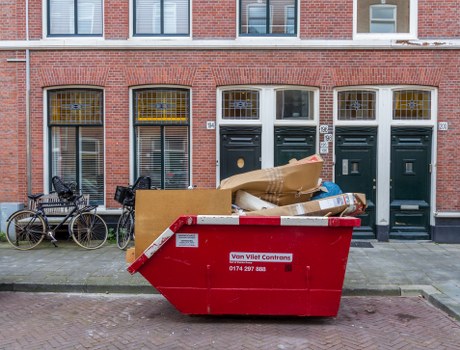
Commercial Waste Willesden: Recycling and Sustainability
Commercial Waste Willesden is committed to building an eco-friendly waste disposal area that supports local businesses, reduces landfill, and advances a sustainable rubbish area across Willesden and the wider Brent borough. Our approach balances practical commercial waste collection with ambitious environmental targets. By coordinating segregation at source, smarter routing and low-carbon vehicles, we make it straightforward for shops, offices and light industry to meet their regulatory and corporate responsibility goals.
Local regulations and borough-led initiatives play an important role. The London Borough of Brent encourages separate streams for dry recycling, food waste and glass, and our commercial service aligns with those standards so that the materials collected in the Willesden area enter the correct recycling streams.
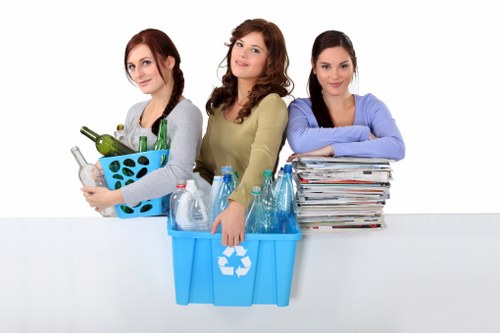
Recycling Targets and Performance
We have set a clear recycling percentage target: a minimum of 65% recycling rate for commercial waste by 2030 across our contracted Willesden routes. This target is designed to complement borough-wide ambitions and reflects the types of commercial waste produced locally — paper, cardboard, mixed packaging, glass, food waste from hospitality, and construction & demolition residues from small contractors. Why 65%? It is an ambitious but achievable benchmark that drives continuous improvement while remaining realistic for dense urban commercial environments.
To meet this target we focus on:
- Better on-site separation support for businesses (clear containers and labelling).
- Regular data reporting on tonnages and contamination rates.
- Incentivised reuse and repair programmes that divert items before collection.
Local Transfer Stations and Processing
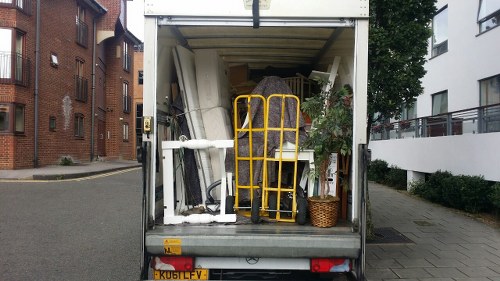 Collections from the Willesden commercial rubbish area are routed to authorised local transfer stations and material recovery facilities in Brent and neighbouring boroughs. We work closely with borough-operated sites and licensed London transfer stations to ensure fast, compliant handover and efficient onward transport. Using nearby transfer hubs reduces vehicle mileage and time on the road, cutting emissions and improving the speed at which recyclable materials are delivered to processing centres.
Where appropriate, segregated loads from businesses — such as dedicated cardboard or glass-only loads — are consolidated at these transfer points to improve recycling yields and reduce contamination. That consolidation supports higher recycling rates and better market value for recovered materials.
Partnerships with Charities and Reuse Networks
A strong element of our sustainability programme is forging partnerships with local charities and reuse organisations. Commercial Waste Willesden collaborates with community groups, furniture reuse charities and local social enterprises to divert usable office furniture, textiles and small electrical items away from the waste stream and into reuse channels. These partnerships create social value while diminishing the volume of commercial waste sent for recycling or disposal.
Example activities include:
- Furniture collection and refurbishment for community centres.
- Donation pathways for small electrical appliances following WEEE protocols.
- Food surplus redistribution from hospitality businesses to local food charities.
Low-Carbon Fleet and Operational Measures
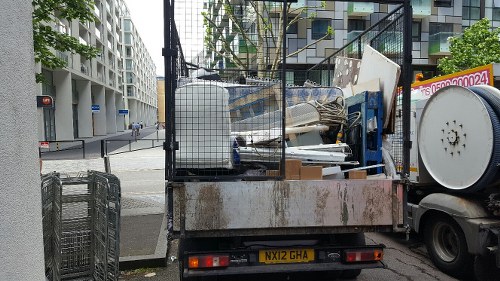
To lower our carbon footprint we operate a growing fleet of low-carbon vans and trucks across Willesden: electric vans for local collections, plug-in hybrids for longer urban routes and Euro 6 diesel where zero-emission vehicles are not yet practical. These vehicles are complemented by route optimisation software and consolidated pick-ups that reduce empty running and total mileage. Low-carbon vans are central to reducing local emissions and improving air quality in commercial zones and high-street areas.
Operational measures also include scheduled night-time or out-of-peak collections for large commercial customers to reduce congestion and idling time, and staff training on eco-driving techniques to further cut fuel use.
Business Support and Waste Separation
We support businesses in Willesden with practical separation guidance that aligns with the boroughs' approach to waste separation. Typical guidance for the area includes separate containers for:
- Paper and cardboard
- Mixed dry recycling (plastics, tins and cartons)
- Glass
- Food waste (for hospitality and outlets that generate organic waste)
- Non-recyclable residual waste
By improving on-site segregation, commercial premises reduce contamination rates and increase the volume of material actually recycled at local processing facilities.
Monitoring, Reporting and Continuous Improvement
Commercial Waste Willesden provides transparent reporting to customers and stakeholders so progress toward the 65% recycling target can be tracked. Regular performance reviews identify where contamination is rising, which materials present the biggest challenges, and where further investment in segregation infrastructure is required. Continuous improvement programmes include periodic waste audits, targeted education for staff at customer sites, and piloting new solutions like shared collection points for small businesses in dense retail parades.
Data-driven decisions allow us to prioritise actions with the greatest environmental returns — for example, focusing reuse partnerships on bulky items that would otherwise be costly to recycle and investing in electric last-mile vehicles for high-frequency routes.
Community and Economic Benefits
Beyond environmental impact, our sustainable service model supports the local economy and community resilience. Reuse partnerships provide affordable furniture and equipment to charities, while local transfer stations and MRFs support jobs in the recycling economy. Businesses benefit from reduced waste disposal costs, improved compliance with emerging commercial waste regulations and the reputational value of operating within a recognised eco-friendly waste disposal area.
Commercial Waste Willesden remains dedicated to evolving services with the boroughs and industry changes, maintaining clear targets, collaborative partnerships, and a practical low-carbon fleet to deliver a greener, cleaner, and more sustainable rubbish area for Willesden.
