Health and Safety Policy — Commercial Waste Willesden Services
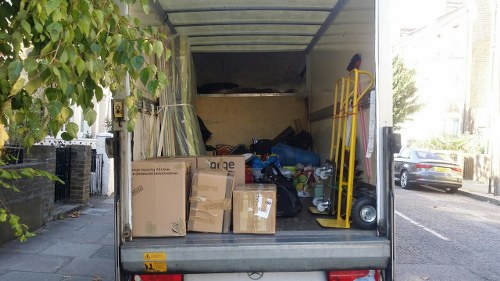 Purpose and scope: This Health and Safety policy sets out the principles and responsibilities for safe operation of commercial waste and rubbish collection services across our service area. It applies to all employees, subcontractors and personnel engaged in commercial waste management, including office waste removal, bin collection, skip services and commercial rubbish handling. The aim is to prevent injury, ill health and environmental harm by applying a consistent, risk-based approach to operational safety.
We commit to compliance with applicable health and safety legislation and to continuous improvement of our safety management system. Key elements include hazard identification, risk assessment, safe systems of work, incident reporting, and routine performance review. Our approach covers vehicle operations, manual handling, segregation of waste streams, waste transfer and storage, and interaction with customers on-site. Safety is integral to service delivery and must be demonstrated by supervisors and crews at all times.
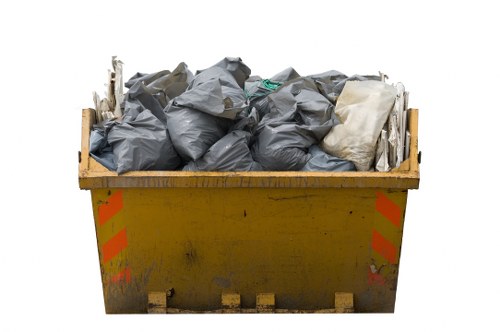 Responsibilities: Management retains overall accountability for health and safety and will ensure that adequate resources are provided to control risks in commercial waste operations. Supervisors are responsible for implementing this policy at site level, conducting toolbox talks and ensuring that staff follow procedures. Employees and contractors have a duty to follow safe working procedures, use provided personal protective equipment (PPE), and report hazards or incidents promptly. A no-blame reporting culture will be maintained so that near-misses and hazards are recorded and addressed.
Risk control and safe systems
Risk assessments will be carried out for all routine and non-routine tasks. Controls will follow the hierarchy of prevention: eliminate hazards where possible, substitute or isolate risks, use engineering and administrative controls, and provide appropriate PPE. Examples of controls specific to commercial waste handling include designated loading areas, lock-out procedures for compactors, mechanical aids for heavy items, and clear segregation protocols for hazardous or sharps-containing rubbish.Vehicle and transport safety
Vehicle maintenance and driver competence are critical. Vehicles used for rubbish collection will be subject to scheduled inspections, daily pre-shift checks, and secure load procedures to prevent spillage or exposure during transit. Drivers must be trained in safe loading, reversing procedures, and emergency response for spillages. Interaction with public roads and customer sites must be managed to protect workers and the public, including safe passenger and pedestrian exclusion zones during collection operations.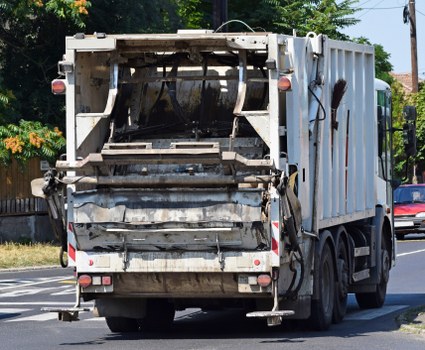 Manual handling and ergonomics: Manual handling remains a primary cause of injury in waste services. We will reduce manual lifting through mechanised aids, team lifts, and job rotation. Training on correct lifting techniques and ergonomic best practice will be provided, and risk assessments will identify high-risk tasks for targeted controls. Supervisors will monitor staff for signs of strain and implement modifications where necessary.
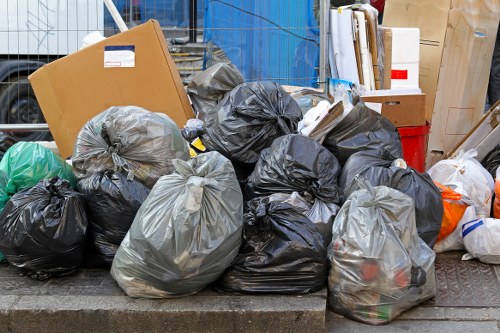 Hazardous and special waste procedures: Special waste streams such as chemicals, batteries, asbestos or biohazardous materials require defined segregation, containment and transfer procedures. Staff will be trained to recognise these materials, use appropriate PPE and follow safe disposal routes. Where specialist contractors are required, selection will follow competency checks and verification of permits and licenses. Documentation for hazardous loads must accompany consignments and be available for inspection.
Training, competence and supervision: All personnel engaged in commercial refuse and waste operations will receive induction training, job-specific instruction and refresher courses at defined intervals. Training records will be maintained and reviewed. Competence assessments for drivers, machine operators and site supervisors will include practical demonstration and knowledge checks. Supervisor-to-staff ratios will be set to ensure adequate oversight, particularly during complex or high-risk tasks.
 Emergency preparedness and incident management: Emergency plans will be in place for incidents such as spillage, fire, personal injury, or vehicle-related emergencies. First-aid provision, emergency contact protocols and spill kits will be available where needed. Incidents, injuries and near-misses will be reported, investigated and analysed to identify root causes and corrective actions. Lessons learned will be communicated across the organisation to prevent reoccurrence.
Monitoring, review and performance
We will monitor health and safety performance through regular inspections, audits and performance indicators such as incident rates, training completion, and corrective action closure. Internal audits and periodic management review will assess the effectiveness of controls for commercial rubbish services and identify opportunities to improve working methods and reduce risk. Continuous improvement is embedded in our operational approach.Engagement and communication
Effective communication with staff and customers is essential. Safety briefings, visible signage at customer sites, and accessible written procedures ensure consistent understanding of requirements. Staff are encouraged to contribute suggestions for safer ways of working. Contractors and temporary workers will be briefed on site-specific hazards prior to work commencement.Policy review: This Health and Safety policy will be reviewed at least annually or when significant changes occur in operations, legislation, or service scope. Amendments will be issued and communicated to all relevant personnel. The organisation expects all employees and partners to support and comply with this policy to deliver safe, reliable and responsible commercial waste services across our operational area.
